Types of surgical threads
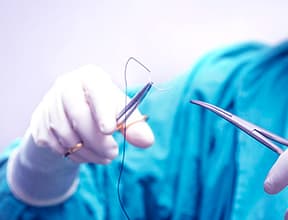
Types of Surgical Sutures
Surgical sutures are one of the most common medical tools that doctors use during surgeries to help keep body tissues connected after surgery or injury.
Classification of surgical sutures:
Surgical sutures are classified in several different ways. Firstly, the type of surgical suture is categorized as absorbable or non-absorbable. The body's tissue enzymes can naturally break down absorbable sutures, and there is no need to remove them, but non-absorbable sutures are usually removed a few days after surgery and depending on the type of surgery that the patient has undergone, they may remain in the body.
Sutures are classified based on the structure type of thread. For example, a monofilament suture consists of one thread that allows the suture to easily pass-through tissues. Conversely, braided sutures are made up of several thin threads woven together and provide more tissue support for use but increase the risk of infection.
Surgical sutures are categorized into two types: synthetic or natural.
Types of Absorbable Suture Threads:
Catgut Suture Thread:
The Catgut suture thread is absorbable and has an adequate tensile strength. This suture thread has sufficient strength to keep tissues connected. The Catgut suture thread is a smooth and flexible thread with suitable knotability, and depending on its size, it is completely absorbed between 60 to 120 days. This suture thread is used in rapidly healing tissues due to its appropriate final decomposition.
Polydioxanone Surgical Thread (PDO):
The Polydioxanone surgical thread is a type of synthetic single-strand suture thread made from polymeric materials called Polydioxanone. The Polydioxanone suture thread is used for suturing various soft tissue wounds and closing the abdomen. Polydioxanone is absorbed slowly and its tensile force is preserved for a longer period, this type of suture thread is useful in wounds that require long-term skin support.
Poliglecaprone Surgical Thread (PGCL):
This surgical thread consists of materials such as polyglycolide (PLGA) and polycaprolactone (PCL) that naturally decompose in the body. This suture thread naturally decomposes in the body reducing the likelihood of infection and tissue irritation, PGCL suture threads are composed of materials that cause less inflammation and irritation on body tissues.
Generally, the poliglecaprone suture threads promote wound healing without scarring due to their natural and low-irritation characteristics. This surgical thread is typically used for subcutaneous closure on a patient's face and as a knot.
Polyglycolic acid Suture Thread (PGA):
PGA is a type of suture thread made from polyglycolic acid and coated with a mixture of polycaprolactone and plant-derived calcium stearate. The copolymers used in this product are known as non-antigenic and non-pyrogenic, and they only cause a mild tissue reaction during absorption. The PGA suture thread causes minimal inflammatory reaction in the tissue and forms fibrous composite tissue internally. The loss of tensile strength and ultimately the absorption of the PGA suture thread takes about 60 to 90 days.
Absorbable PGA-RAPID Suture Thread:
The absorbable rapid PGA suture thread is an absorbable synthetic surgical thread made from 100% polyglycolic acid polymers. The coating of this type of suture thread with calcium stearate and polycaprolactone prevents bleeding, allows the needle to slide easily without damage when tying knots, also makes it easier to pass through tissues with less resistance, minimizing tissue damage. The rapid absorbable PGA suture thread causes a minimal to moderate initial inflammatory tissue reaction, which is a natural response to a foreign substance, and over time, this suture thread is located in fibrous composite tissue. The rapid PGA suture thread is decomposed by hydrolysis and is completely absorbed by metabolism.
Non-absorbable sutures:
Non-absorbable sutures are among the most common types of sutures with a multi-strand or single-strand structure used in surgical procedures. These sutures provide excellent knot security and flexibility, they are easy to work with and are divided into two main categories: natural and synthetic.
Silk is a natural non-absorbable suture made from spun natural silk.
Non-absorbable sutures are made from special types of silk or synthetic materials such as polyester, polypropylene, or nylon. Non-absorbable surgical sutures may include coatings that improve their performance and are usually used to close skin or superficial wounds.
These sutures are suitable for use in internal surgeries or parts of the body that do not require absorbable sutures due to environmental conditions or high pressure. They are typically used in heart surgery such as vascular anastomosis methods (due to constant movement and pressure on the heart). Non-absorbable sutures cause fewer wounds and stimulate the immune system less, which is why they are also used in surgeries where the aesthetic outcome is important. Non-absorbable sutures may remain permanently in the body or be removed after a while.
These types of sutures are produced with or without a needle, with different thicknesses and lengths, and with different structural characteristics such as silk, polyester, nylon, polypropylene, polybutylene, and stainless steel that do not cause any allergic or inflammatory reactions in the body.
Tajhiz Gostar Tamin Salamat Company has launched a production line for various types of absorbable and non-absorbable surgical sutures, various medical adhesives, various dressings and consumables for cardiology and urology by utilizing the experiences of specialists and modern world technologies. This company supplies a significant part of the needs of the country's treatment industry.
2023-08-08